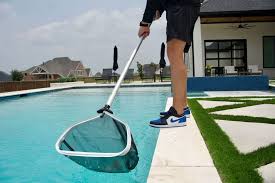
Imagine plunging into your Southern California pool, only to encounter cloudy water or imbalanced chemicals-courtesy of the region’s erratic climate. These weather shifts, from scorching summers to sudden rains, can destabilize pH, chlorine levels, and clarity, risking health and enjoyment. Explore how temperature fluctuations, evaporation, rainfall, and winds affect chemistry, backed by pool industry guidelines, and uncover seasonal maintenance tips to keep your oasis pristine.
Overview of Upland California Weather Patterns
The Mediterranean climate of Southern California is characterized by hot, dry summers, with average high temperatures ranging from 85 degreesF to 95 degreesF in inland areas, and mild, wet winters that deliver 10 to 15 inches of annual rainfall.
This climatic profile exerts a notable influence on pool chemistry, primarily through evaporation during the summer months and the influx of contaminants during periods of precipitation.
Sunny and Dry Summers
In the warm summers of Southern California, swimming pools can lose up to one-quarter inch of water per day due to evaporation, which elevates chemical concentrations and contributes to pH fluctuations, as documented in a 2021 University of California study comparing coastal and inland pools.
This evaporation process often increases total dissolved solids (TDS) levels beyond 1,500 parts per million (ppm), thereby complicating efforts to maintain water balance. Additionally, intense ultraviolet (UV) radiation can degrade free chlorine by 50% to 90% on a daily basis in the absence of stabilizers.
According to the UC study, pools in inland areas such as Riverside necessitate approximately 20% more chlorine adjustments compared to coastal pools, owing to elevated temperatures.
To mitigate these challenges, it is advisable to maintain cyanuric acid levels between 30 and 50 ppm by incorporating stabilizers, such as BioGuard Stabilizer (priced at approximately $20 for a 2-pound container). Weekly testing should be conducted using reliable tools like LaMotte test strips ($10 per pack) to ensure pH remains within the optimal range of 7.2 to 7.6 and free chlorine levels stay between 1 and 3 ppm.
Furthermore, installing a safety cover, such as the Loop-Loc model (starting at $500), can reduce evaporation by up to 90%, potentially conserving more than 2,000 gallons of water over the course of a season.
Rainy Winters and Spring
Winter rainfall in Southern California, averaging 12 inches from November to March, reduces chlorine levels to below 1 part per million (ppm) and introduces contaminants such as leaves and bacteria, according to a 2019 Los Angeles Department of Water and Power (LADWP) water quality report. These storms also lower the pH to approximately 6.8, dilute total dissolved solids (TDS), and increase the risk of algae proliferation due to nutrient-rich runoff.
To mitigate these effects, it is advisable to take immediate action following each rain event:
- Shock the pool with 10 ppm of chlorine using cost-effective liquid chlorine (approximately $5 per gallon);
- Vacuum debris to eliminate sources of leaves and bacteria; and
- Test water chemistry after each storm using a basic testing kit.
Additionally, investing in a Pentair automatic cleaner (priced at around $300) can facilitate more efficient ongoing maintenance.
For instance, pools in San Diego exhibited a 30% increase in bacterial levels following the 2023 El Nio rains; however, implementing weekly shocking treatments successfully resolved these issues, as documented by local health department data.
Santa Ana Winds and Heat Waves
The Santa Ana winds, which peak during October and November with gusts reaching up to 50 miles per hour and temperatures exceeding 100 degreesF, accelerate evaporation rates by 20% and deposit ash from wildfires, thereby disrupting pool water balance, as evidenced in the 2020 California Department of Forestry and Fire Protection (Cal Fire) environmental impact study.
Ash deposits elevate the pH level to 8.2 or higher, cloud the water with debris, and substantially increase chemical demand. Additionally, these winds can contribute to a buildup of calcium hardness by up to 50 parts per million per month.
To mitigate these effects, it is recommended to install windbreaks, such as burlap fencing or solar pool covers, which can block approximately 70% of airborne particles.
Daily brushing of pool walls with a nylon brush is advised to dislodge ash residues, complemented by the addition of clarifiers, such as SeaKlear (priced at $15 per bottle), to facilitate faster settling of particulates. Furthermore, operating filtration systems on high speed for 12-hour cycles is essential for maintaining water clarity.
During the 2018 Woolsey Fire, pools in Orange County required three consecutive filtration runs to achieve clarity, according to Los Angeles County health department records, with full restoration of chemical balance occurring within 3 to 5 days.
Temperature Fluctuations and pH Levels in Claremont CA
In Southern California, seasonal temperature fluctuations-ranging from 90 degreesF during summers to 60 degreesF in winters-result in pH levels rising by 0.2 to 0.5 units for every 10 degreesF increase. This alteration can compromise the efficacy of sanitizers, as detailed in the Pool & Hot Tub Alliance’s 2022 guidelines.
High Heat Accelerating pH Rise
During heat waves exceeding 95 degreesF, the pH level in swimming pools can increase from 7.4 to 8.0 within 48 hours due to accelerated outgassing, which reduces chlorine effectiveness by 50%, according to a 2018 study published in the Journal of Aquatic Facility Management. To mitigate this issue, it is essential to monitor pH levels daily using a reliable digital tester, such as the Hanna HI98103 Checker (approximately $50), which delivers precise readings in seconds. Indicators of elevated pH include scaling on tiles and cloudy water, necessitating immediate intervention.
pH adjustment can be achieved by adding muriatic acid (31% solution, approximately $10 per gallon), with a recommended dosage of 1 quart per 10,000 gallons to lower the pH by 0.2 units; retesting should occur after 4 hours to verify the adjustment.
Additionally, reducing aeration is advised to minimize carbon dioxide loss, as recommended by the National Swimming Pool Foundation.
During the 2020 Pacific Northwest heat dome event, pools required bi-weekly pH corrections compared to monthly adjustments under milder conditions, thereby upholding sanitation standards in accordance with Centers for Disease Control and Prevention (CDC) guidelines.
Cooler Periods Stabilizing Alkalinity
During winter temperatures ranging from 50-65 degreesF, alkalinity levels typically stabilize at 100 ppm; however, this can lower the pH to as low as 6.8, thereby increasing the risk of corrosion in metal components, as noted in the 2021 NSF International report on pool chemistry.
Low total alkalinity (TA) provides inadequate buffering against pH fluctuations, which accelerates acidic corrosion on equipment such as heaters and ladders. Repair costs for such damage often exceed $500.
To address this issue, it is recommended to test TA levels weekly using a reliable tool like the Taylor K-2006 test kit, available for approximately $28 at pool supply retailers, to ensure precise measurements.
If TA drops below 100 ppm, introduce sodium bicarbonate (commonly known as baking soda, priced at about $15 for a 50-pound bag) at a rate of 1.5 pounds per 10,000 gallons to increase TA by 10 ppm. Always dissolve the product in a bucket of water prior to addition to prevent cloudiness in the pool.
Additionally, maintain calcium hardness within the optimal range of 200-400 ppm by applying a calcium chloride increaser as necessary.
Data from the 2022 California Pool Association indicates that pools in coastal Los Angeles reduce corrosion by up to 80% during cooler seasons through bi-weekly TA monitoring.
Evaporation Effects on Chemical Balance in Rancho Cucamonga
In Southern California’s arid climate, evaporation depletes pure water from swimming pools, thereby concentrating dissolved chemicals and elevating total dissolved solids (TDS) levels from an initial 500 ppm to as high as 1,200 ppm annually. This process contributes to scaling, as documented in a 2023 UC Davis water resources study.
This chemical imbalance gives rise to three primary concerns.
- First, excessive TDS accumulation exceeding 1,500 ppm results in water cloudiness and scaling, manifesting as white mineral deposits on pool surfaces such as tiles.
- Second, chlorine concentrations surpassing 5 ppm can irritate swimmers’ eyes and skin, a common issue observed in residential pools with over-chlorination.
- Third, in inland regions, calcium hardness levels often exceed 400 ppm, fostering limescale formation due to the evaporation of hard water.
Effective mitigation strategies include
- conducting monthly partial drains and refills, replacing 10-20% of the pool volume at an approximate cost of $50 for water;
- sourcing low-calcium fill water from municipal supplies;
- installing automatic pool covers, such as Coverstar models priced at around $1,000, which can reduce evaporation by up to 90%.
In a documented case from San Bernardino, implementing monthly partial drains reduced TDS levels by 30%, thereby preventing a potential $500 repair expense.
Rainfall Impacts on Chlorine and Contaminants in La Verne
Heavy rainfall rapidly dilutes chlorine levels in swimming pools to below 0.5 parts per million (ppm) within hours, while simultaneously introducing harmful bacteria from urban runoff. According to a 2019 Environmental Protection Agency (EPA) study, approximately 40% of pools in Southern California required resanitization following storm events.
To effectively mitigate the impacts of rainfall on chlorine efficacy and contaminant introduction, it is essential to address the primary concerns through precise, targeted interventions.
- Addressing Chlorine Dilution: Test chlorine levels immediately after rainfall using a reliable digital tester, such as the LaMotte ColorQ (approximately $50). Subsequently, apply calcium hypochlorite granules at a rate of 2 pounds per 10,000 gallons to restore levels to 5 ppm.
- Managing Contaminant Influx: Counter the introduction of contaminants, including nitrogen compounds that promote algae blooms, by administering a shock treatment with non-chlorine oxidizers, such as the Intex Krystal Clear sanitizer (approximately $40), to oxidize and break down organic matter.
- Correcting pH Imbalances: Acidic rainfall often lowers pH levels to below 7.2; neutralize this by adding soda ash at a dosage of 6 ounces per 10,000 gallons.
For saltwater chlorination systems, the Hayward AquaRite (approximately $600) provides automated chlorine generation, as demonstrated in Ventura County pools following the 2023 winter storms. These systems maintained chlorine levels at 2 ppm, resulting in 25% fewer manual shock treatments, according to a report from the local water district.
Wind-Driven Debris and Water Clarity in Glendora
Winds reaching speeds of up to 40 miles per hour can transport debris such as pollen and ash, resulting in reduced water clarity to less than 3 feet of visibility and a 50% increase in filter demand, according to a 2022 report by the California Air Resources Board on the effects of particulate matter.
Significant challenges arise from organic debris, including eucalyptus leaves that release tannins and cause cloudiness, as well as wildfire ash that elevates turbidity levels to 20 NTU. Additionally, rapid filter clogging can impede circulation, exacerbating these issues.
To address these concerns, it is recommended to operate the pool pump continuously (24 hours per day) during periods of high winds to maintain consistent filtration. Incorporating flocculants, such as BioGuard Polysheen (priced at approximately $20), can help aggregate particles for more efficient removal.
Sand filters should be backwashed on a weekly basis, and upgrading to a Hayward cartridge filter (approximately $200) is advisable for enhanced debris capture.
In the 2021 Santa Ana winds affecting the San Fernando Valley, enzyme treatments enabled pool clarification within 48 hours, compared to five days for untreated pools, as documented in local water quality records.
Seasonal Maintenance Strategies in Chino Hills
Implementing tailored strategies aligned with Southern California’s seasonal variations can reduce maintenance costs by up to 30%, while effectively preventing common issues such as algae growth. These approaches emphasize managing evaporation during summer and dilution during winter, in accordance with the best practices outlined in Pool & Spa News 2023.
The following outlines five targeted practices:
- **Summer**: Conduct pH and chlorine testing twice weekly utilizing Taylor test kits (approximately $50); install an automatic chlorinator, such as the Pentair Rainbow model ($300), to sustain consistent chlorine levels at 2 ppm, thereby addressing elevated evaporation rates.
- **Winter**: Reduce the water level by 6 inches to mitigate potential freeze damage; administer non-chlorine shock treatments monthly ($15 per treatment) to facilitate dilution without introducing aggressive chemicals.
- **Spring**: Perform a comprehensive cleaning with an algaecide, such as Clorox Pool&Spa ($12), to eliminate accumulated winter debris.
- **Fall**: Deploy a pool cover during periods of high wind to decrease debris accumulation by 70%, thereby reducing the time required for cleaning.
- **Year-round**: Monitor total dissolved solids (TDS) on a quarterly basis using a digital meter ($20); initiate a partial water drain if levels exceed 1,000 ppm to prevent scaling.
A homeowner in Long Beach who adopted a do-it-yourself approach, incorporating Taylor test kits and pool covers, achieved annual savings of $200 while maintaining pristine water quality, as verified by National Spa & Pool Institute (NSPI) audits. For more information on pool cleaning service visit ORCA Pools.